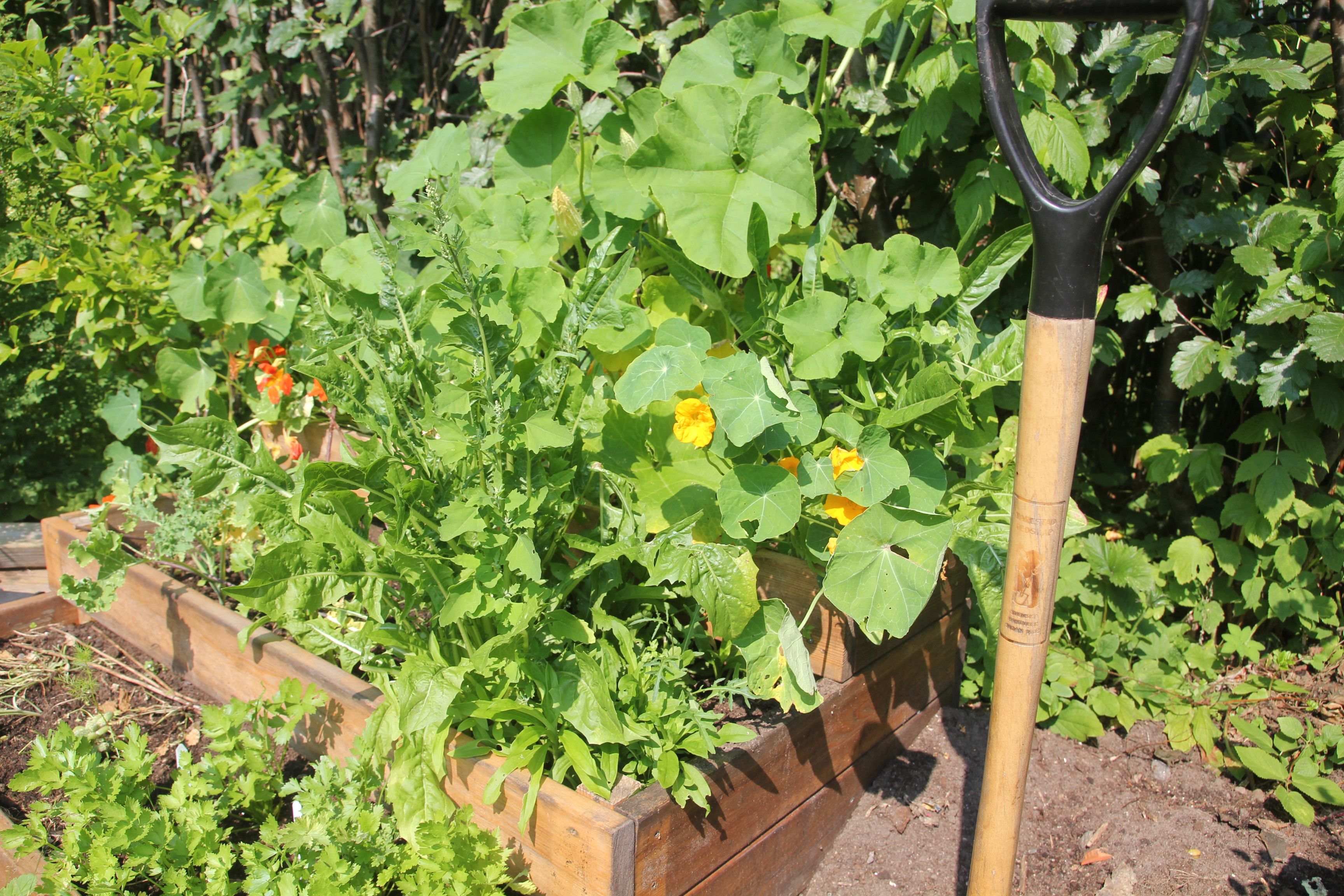
Raised beds offer Canadian gardeners a practical way to extend the growing season, improve drainage on heavy clay soils, and work with controlled soil mixes rather than whatever the existing backyard soil happens to be. The frame is the most permanent part of the build; the decisions made at construction time affect how the bed performs through five to fifteen years of freeze-thaw cycles.
Frame Materials: A Practical Comparison
Western Red Cedar
The standard choice for Canadian raised beds for a reason: the heartwood contains natural oils (thujaplicins) that resist rot without chemical treatment. A 2-inch cedar plank in contact with moist soil typically lasts 15–20 years. Cedar is also dimensionally stable — it does not warp or split as dramatically as pine during freeze-thaw cycles. The primary drawback is cost: cedar boards run roughly 2–3× the price of pine in most Canadian lumber yards, and prices have risen further since 2022.
For a standard 4 × 8-foot bed at 10 inches tall, expect to use four 2 × 10 × 8-foot cedar boards. At 2026 prices in Ontario, this is approximately $80–120 CAD for the lumber alone, depending on grade.
Untreated Pine or Spruce
Significantly cheaper than cedar but will begin to decay within 3–5 years when in direct soil contact. A practical compromise is to use pine for the upper boards and cedar for the bottom board that contacts the ground — this extends bed life while reducing material cost by 30–40%. Avoid pressure-treated lumber rated for ground contact (CA-C or UC4B), which uses copper-based preservatives that can leach into soil at levels that affect root crop taste and, over many years, accumulate in soil.
Galvanised Steel
Corrugated galvanised steel panels, originally designed for agricultural use, have become a popular raised bed material in the past five years. A standard corrugated panel (0.5 mm steel, G90 galvanising) will last 20+ years without degradation. Steel beds heat up faster in spring — soil temperature in a steel-sided bed can be 3–5°C warmer than an equivalent wooden bed on the same morning, which matters in May in Ontario or Saskatchewan. The concerns about zinc leaching from galvanised steel into soil appear to be overstated at typical application levels: zinc concentrations measured in soil adjacent to galvanised infrastructure are generally within background levels after a few seasons of rain leaching.
Steel panels require corner posts (typically 4 × 4 timber or proprietary steel brackets) and cut with tin snips or an angle grinder. They are an option to consider if cedar is outside the budget and longevity is a priority.
Composite Lumber
Made from recycled wood fibre and plastic, composite decking boards are rot-proof and hold up well through Canadian winters. They do not split or warp the way wood does. The main limitation is structural: composite boards are heavy and lack the tensile strength of solid wood, so beds taller than 12 inches may require more frequent corner bracing. They are also significantly more expensive than either cedar or pine.
Sizing the Bed
The standard width recommendation — 4 feet (120 cm) — is determined by reach, not aesthetics. A 4-foot-wide bed can be worked from both sides without stepping into it, preserving the loose soil structure that raised beds are built to maintain. Narrower beds (2–3 feet) make sense when placed against a fence or wall accessible from one side only.
Length is largely a matter of available space. Beds longer than 8 feet benefit from a centre crossbar on the interior to prevent the long sides from bowing outward under soil pressure. A 2 × 4 screwed horizontally across the middle at soil level accomplishes this without reducing growing area.
Depth Considerations by Crop
- 8 inches (20 cm): Sufficient for salad greens, herbs, radishes, and shallow-rooted annuals
- 10–12 inches (25–30 cm): The most common and practical depth — suits most vegetables including tomatoes, peppers, and brassicas
- 18 inches (45 cm): Required for carrots, parsnips, and beets grown to full size; also reduces the frequency of watering due to greater soil volume
Soil Mix
The most commonly referenced formula for raised bed soil, popularised by Mel Bartholomew's Square Foot Gardening, is the "Mel's Mix": one-third finished compost, one-third vermiculite (or perlite), and one-third peat moss or coco coir. This mix is well-draining, loose, and moisture-retentive. It also has essentially zero native nutrient load, relying on compost and subsequent amendments for fertility.
For Canadian conditions, a few modifications are worth considering:
- Replace peat moss with coco coir where possible — peat is a non-renewable resource extracted primarily from Canadian boreal peatlands, and coco coir performs comparably at a lower environmental cost
- Add 10–15% native topsoil to introduce local soil biology (microbial communities and beneficial fungi), which pure commercial mixes lack
- In the first season, augment with a slow-release balanced organic fertiliser (4-4-4 or similar) as the compost fraction will not be sufficient for heavy feeders like tomatoes or squash
Drainage and Ground Preparation
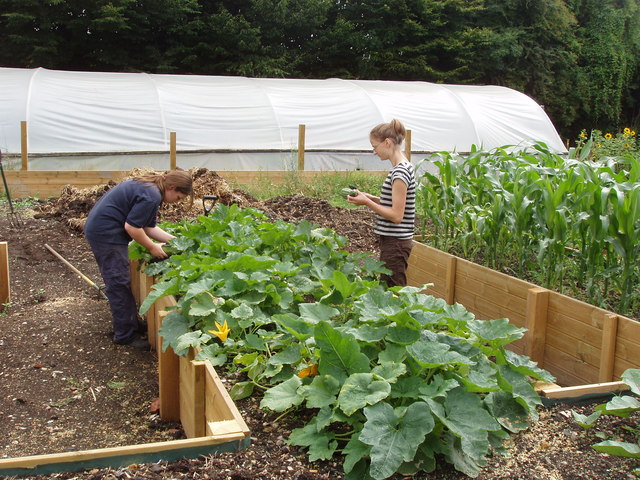
If placing a raised bed over compacted clay or hardpan, loosen the soil beneath the bed with a fork before filling. This allows roots to penetrate below the bed depth and improves drainage. Over lawn grass, it is sufficient to lay a few layers of cardboard (the sheet mulch method) before setting the frame — the cardboard smothers the grass, decomposes within one season, and allows earthworms to pass through.
A layer of coarse gravel (2–5 cm) at the base of the bed is sometimes recommended to improve drainage, but research on raised beds shows that this can create a perched water table effect, where moisture accumulates above the gravel layer rather than draining through. On well-drained native soil, the gravel layer is unnecessary. On poorly draining sites, raised beds solve the problem through elevation rather than drainage layers.
Winterising the Bed
In Canadian winters, raised beds benefit from a top dressing of 5–10 cm of finished compost or composted manure applied in late October, after the last harvest. This material breaks down slowly through winter and is incorporated into the soil in spring. Cover the bed with burlap, straw, or a commercial row cover to reduce soil erosion and temperature swings. Avoid black plastic sheeting over winter — it creates anaerobic conditions that can kill beneficial soil life.

